Google Cloud Next
Growing Google Cloud Next into Google’s premier stage for enterprise-scale AI required building a robust, scalable brand system that could react agilely with the pace of the industry.
Motion Design, Brand Systems, Creative Technology
How do you create a recognizable motion language for a fast-growing event that spans thousands of assets and multiple agencies, across digital and physical surfaces?
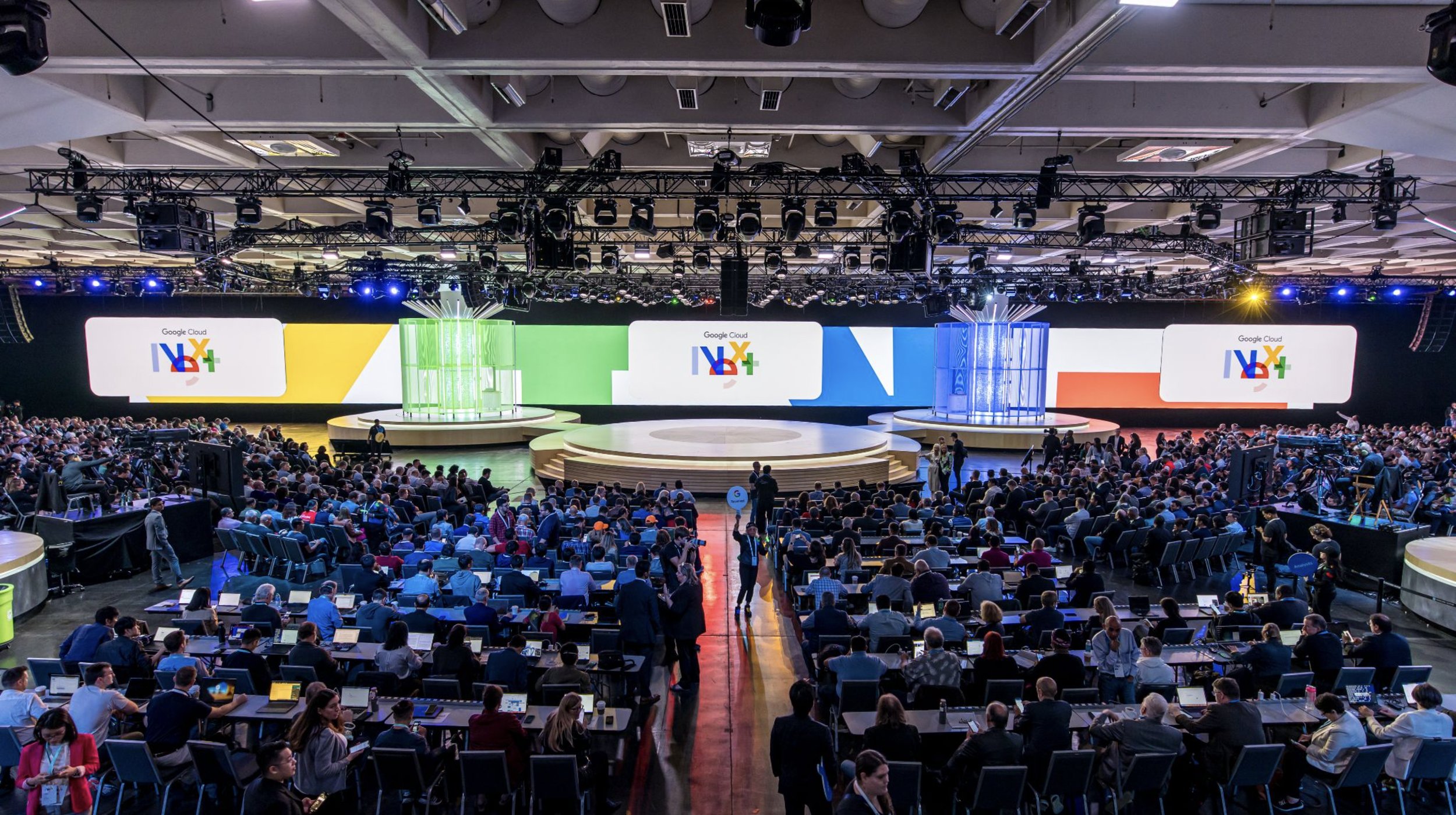
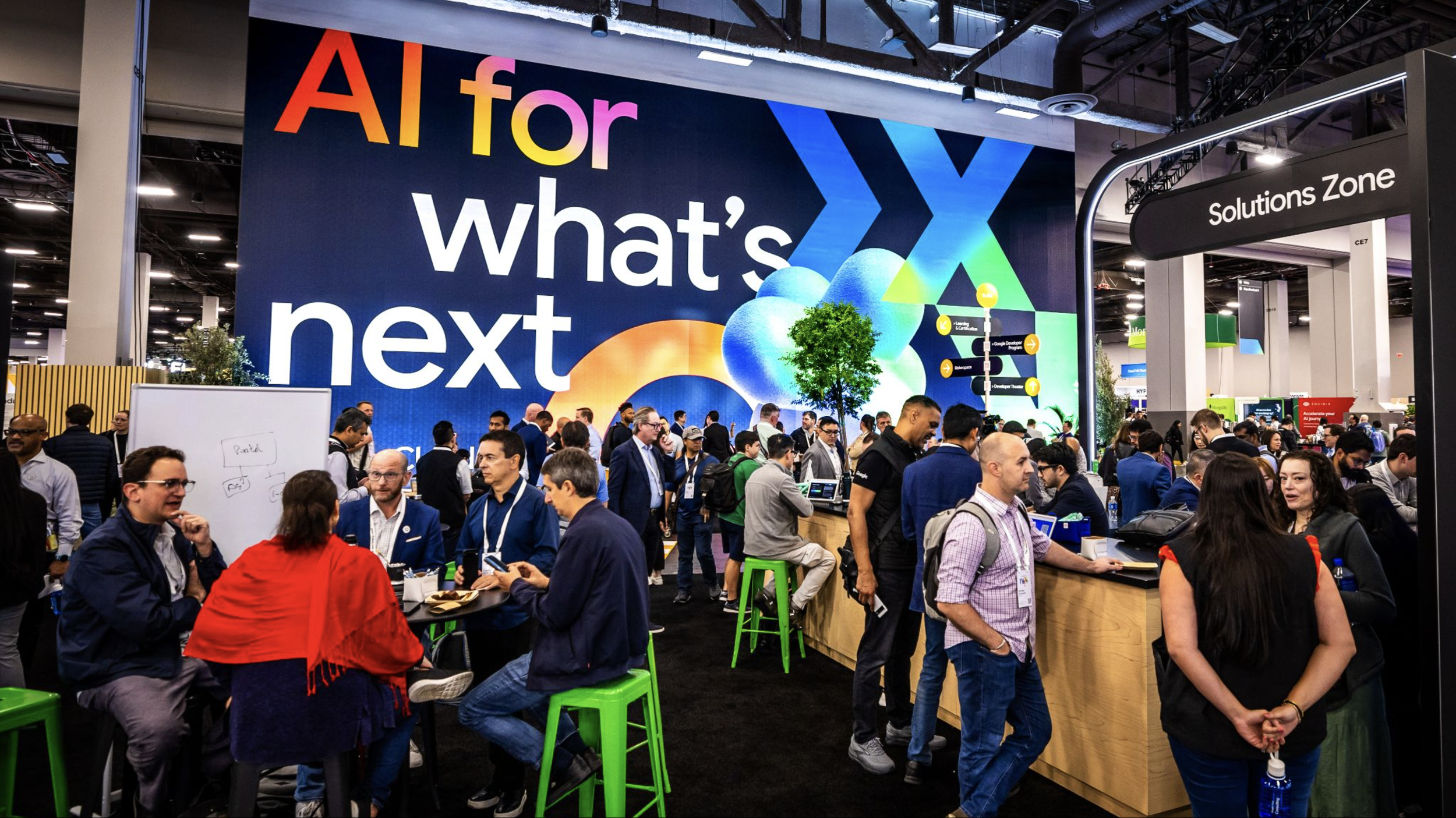
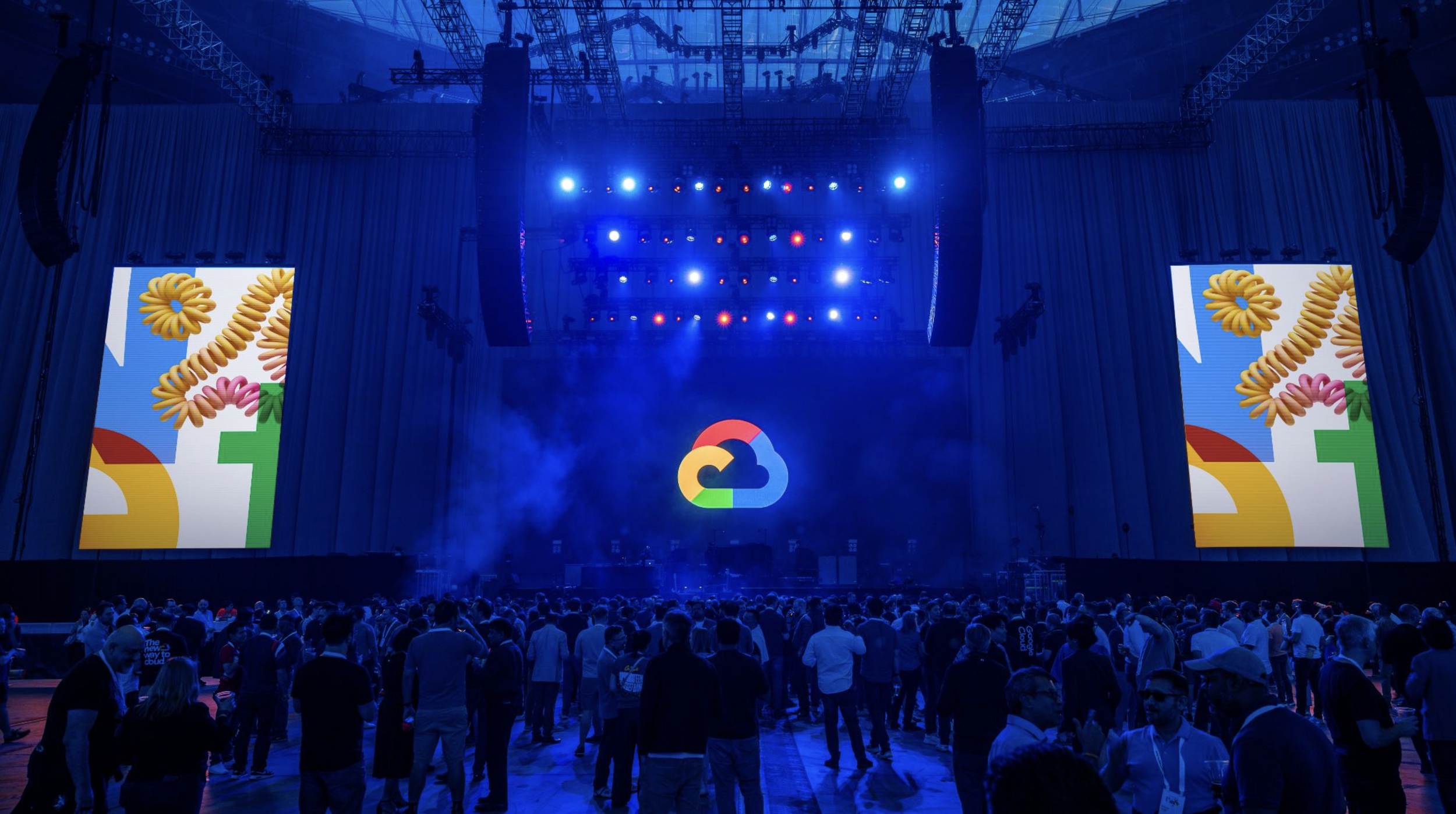
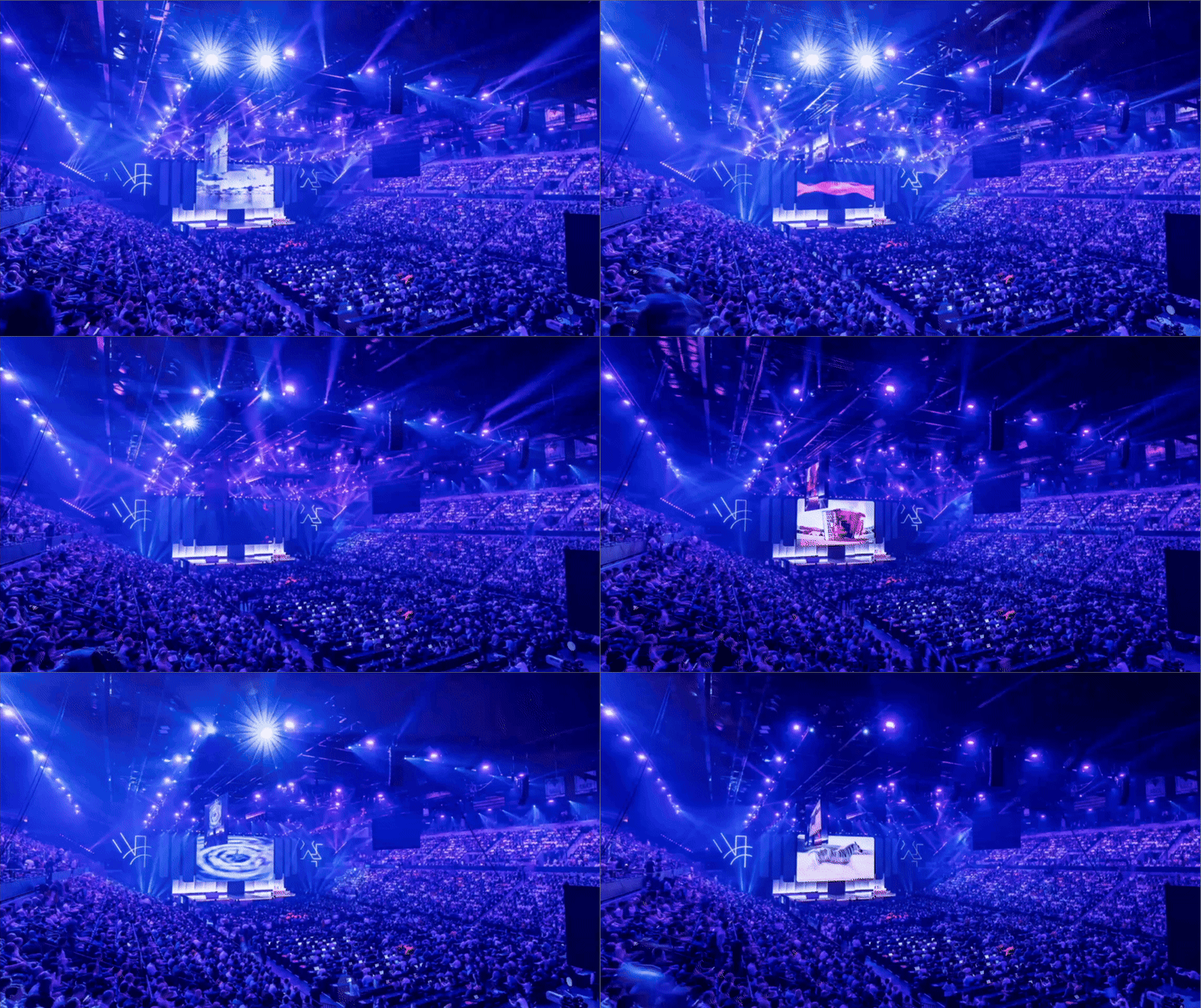
Google Cloud Next has undergone a massive evolution, growing into Google's most critical launchpad for AI. Between 2023 and 2026, the audience more than doubled to 32,000+ attendees, and the brand narrative shifted heavily towards AI products and the "Agentic Enterprise."
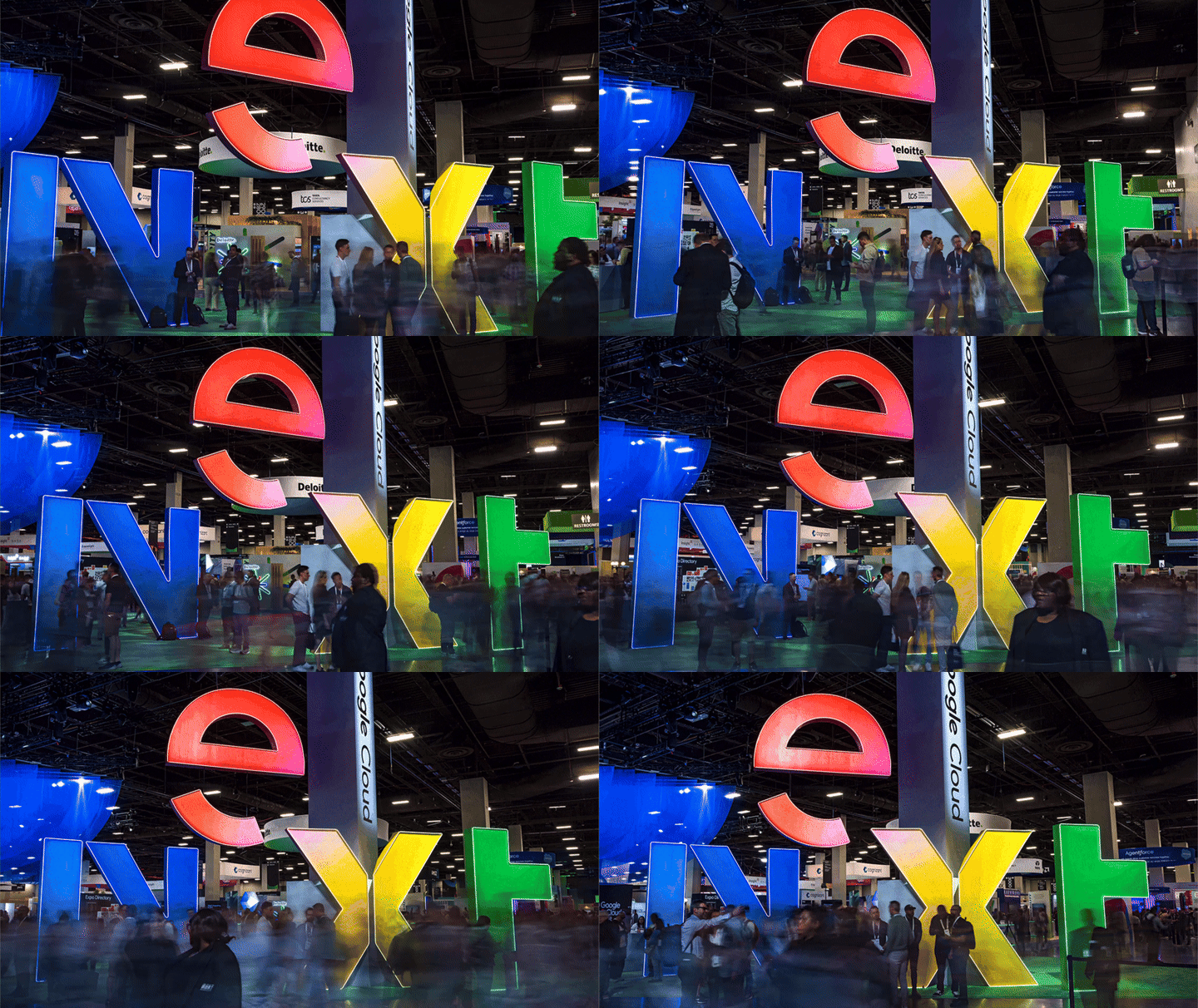
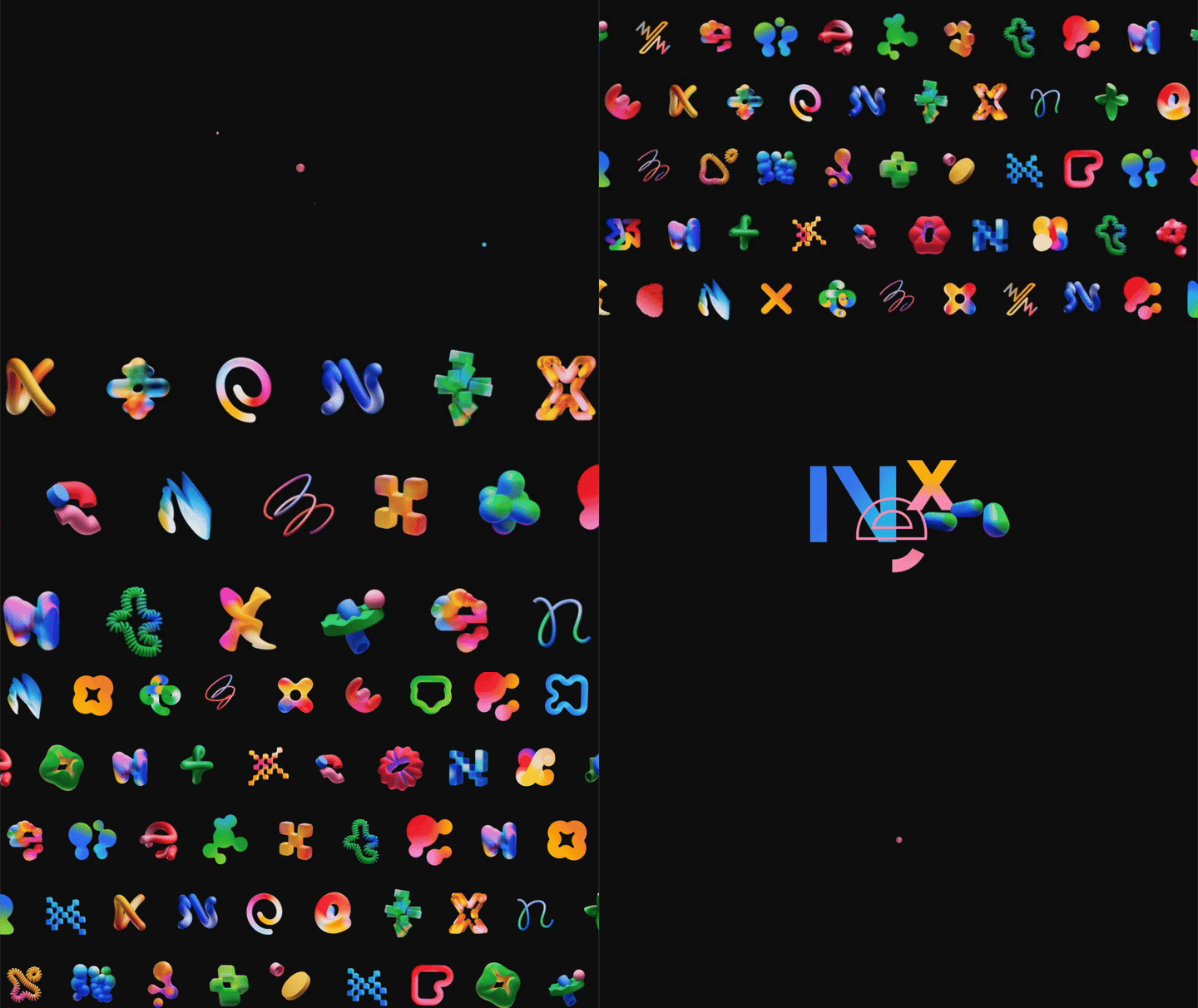
To meet this scale, we shifted our creative strategy from annual redesigns to building a scalable brand platform. This modular systems-based approach enabled us to iterate on our generative visual guidelines year over year, scaling the brand as quickly as the event was growing.
Evolving the Brand
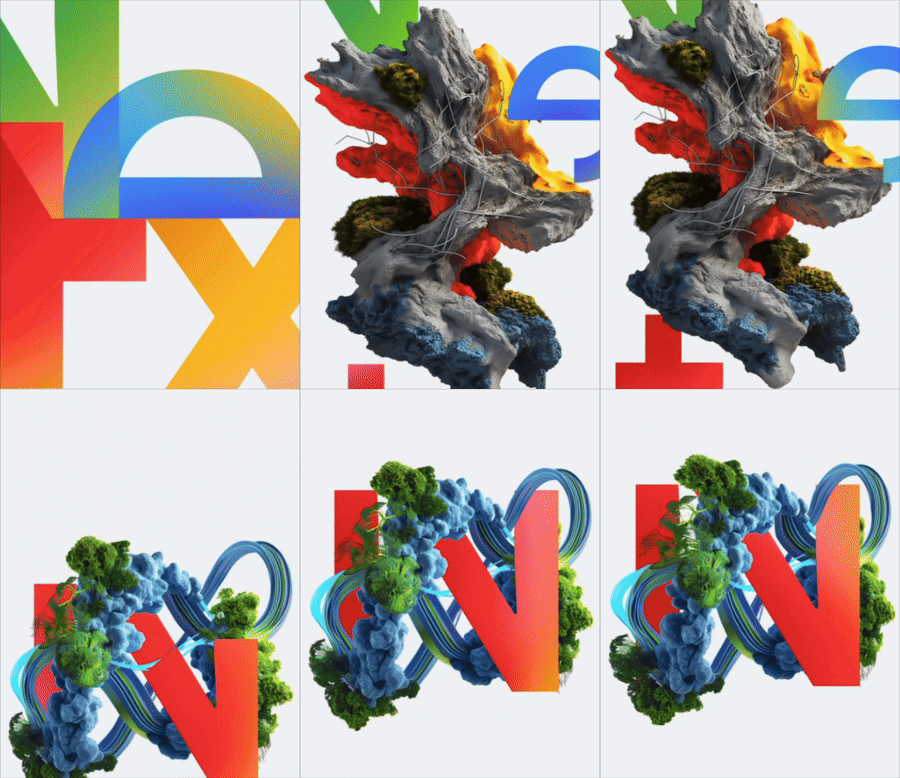
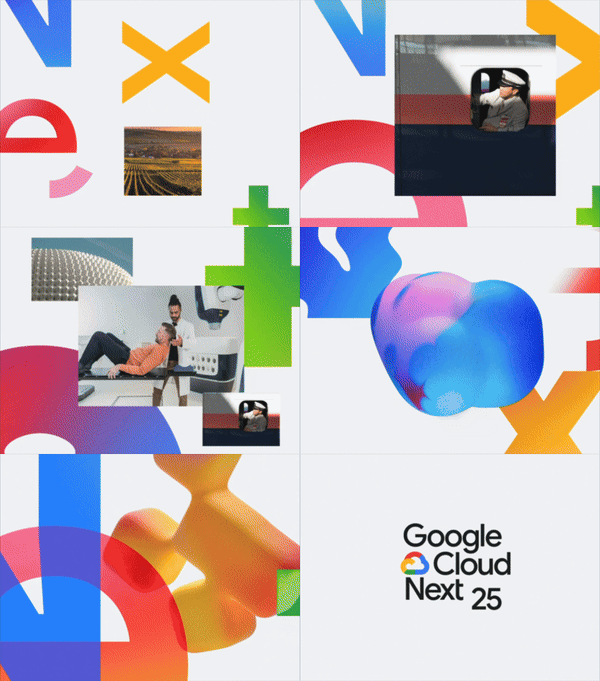
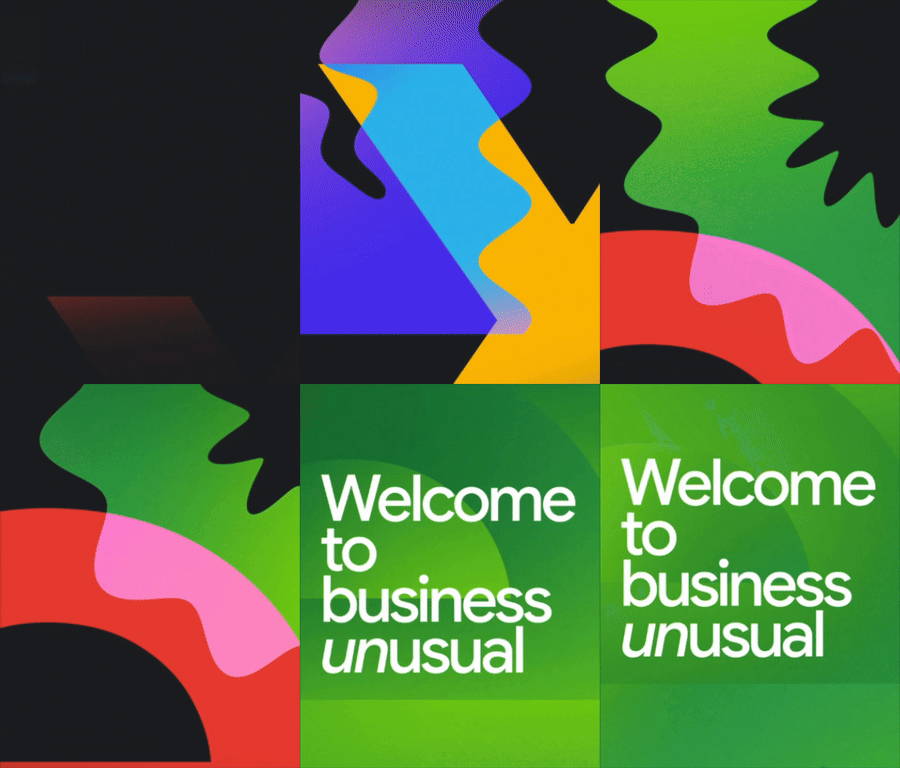
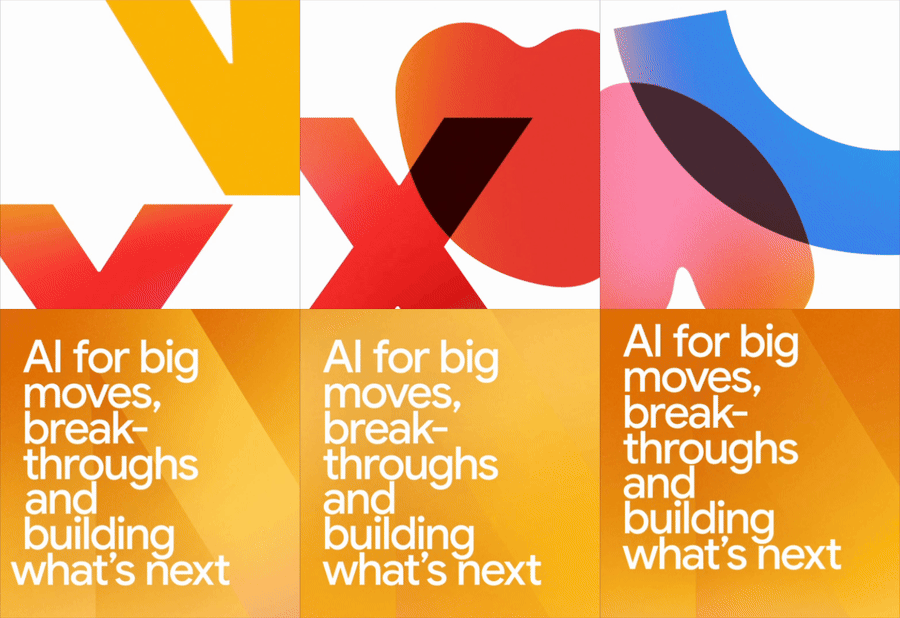
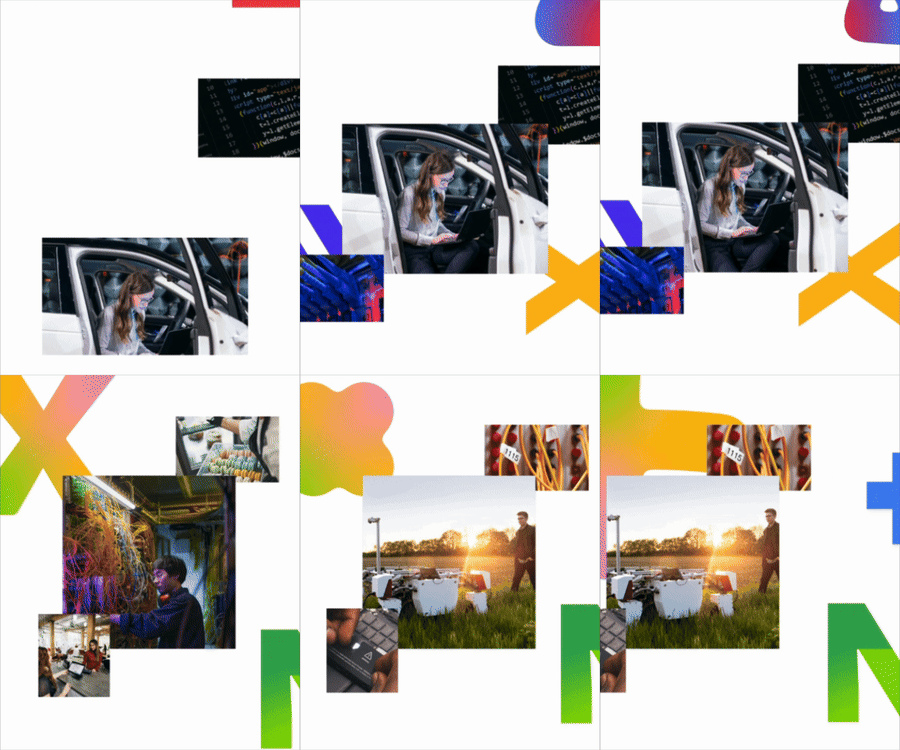
Unifying asset libraries based on motion principles
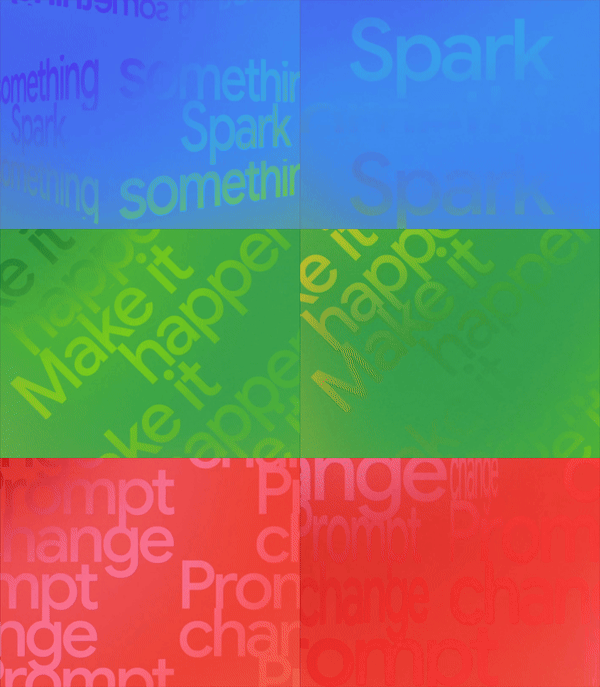
The event had accumulated multiple strong asset libraries, but they did not always behave like one family in motion. The challenge was not to produce more one-off animations; it was to define a common rhythm, hierarchy, and set of state changes that could make different visual ingredients feel coherent.
I organized the system around a small range of reusable motion states - from ambient background behavior to attention-grabbing transitions and hero brand moments. These states established how an asset entered, changed emphasis, held attention, and released it. Templates and production guidance then translated those principles into something internal creatives and external partners could execute consistently.
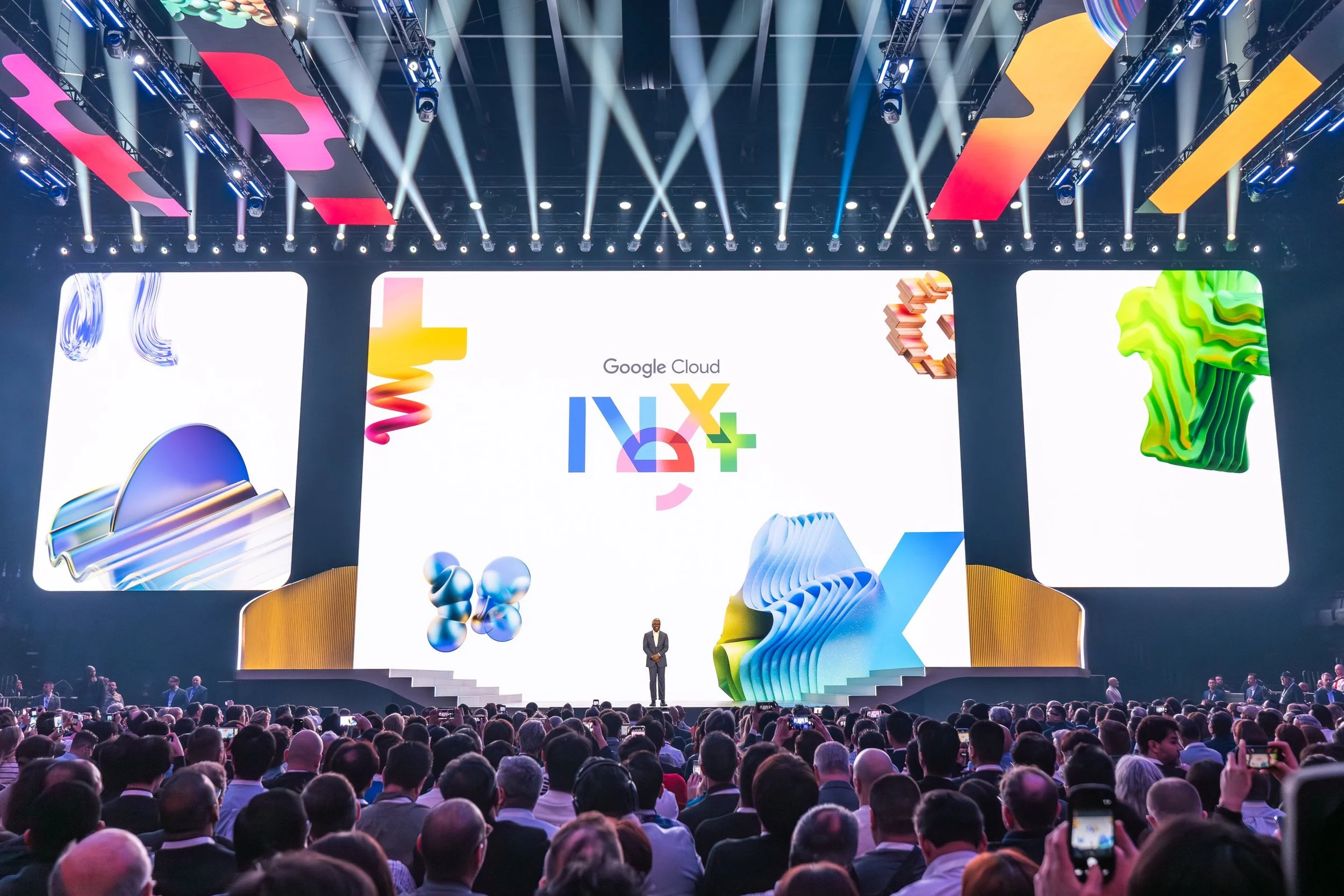
Scaling the system across agencies and surfaces
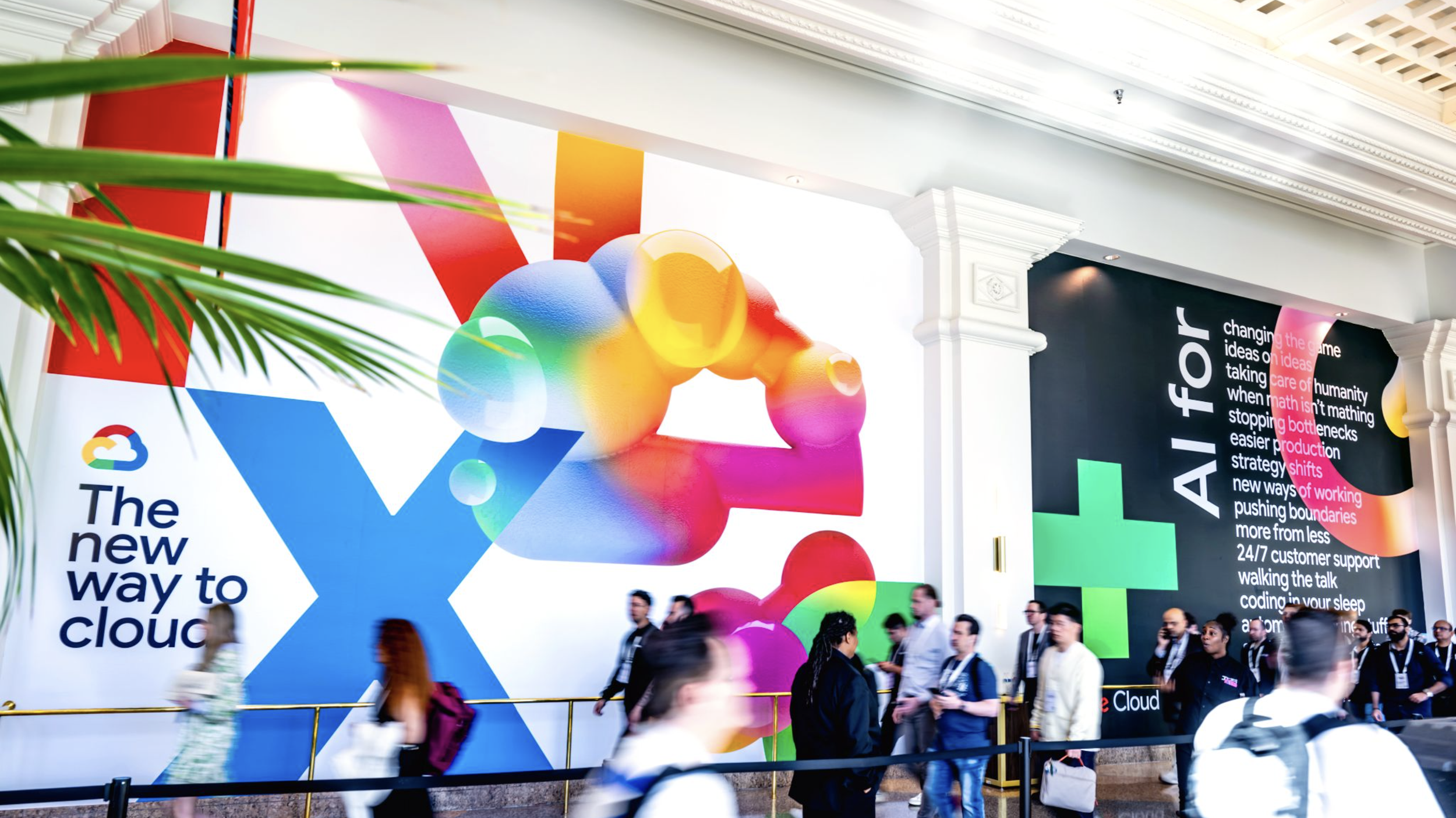
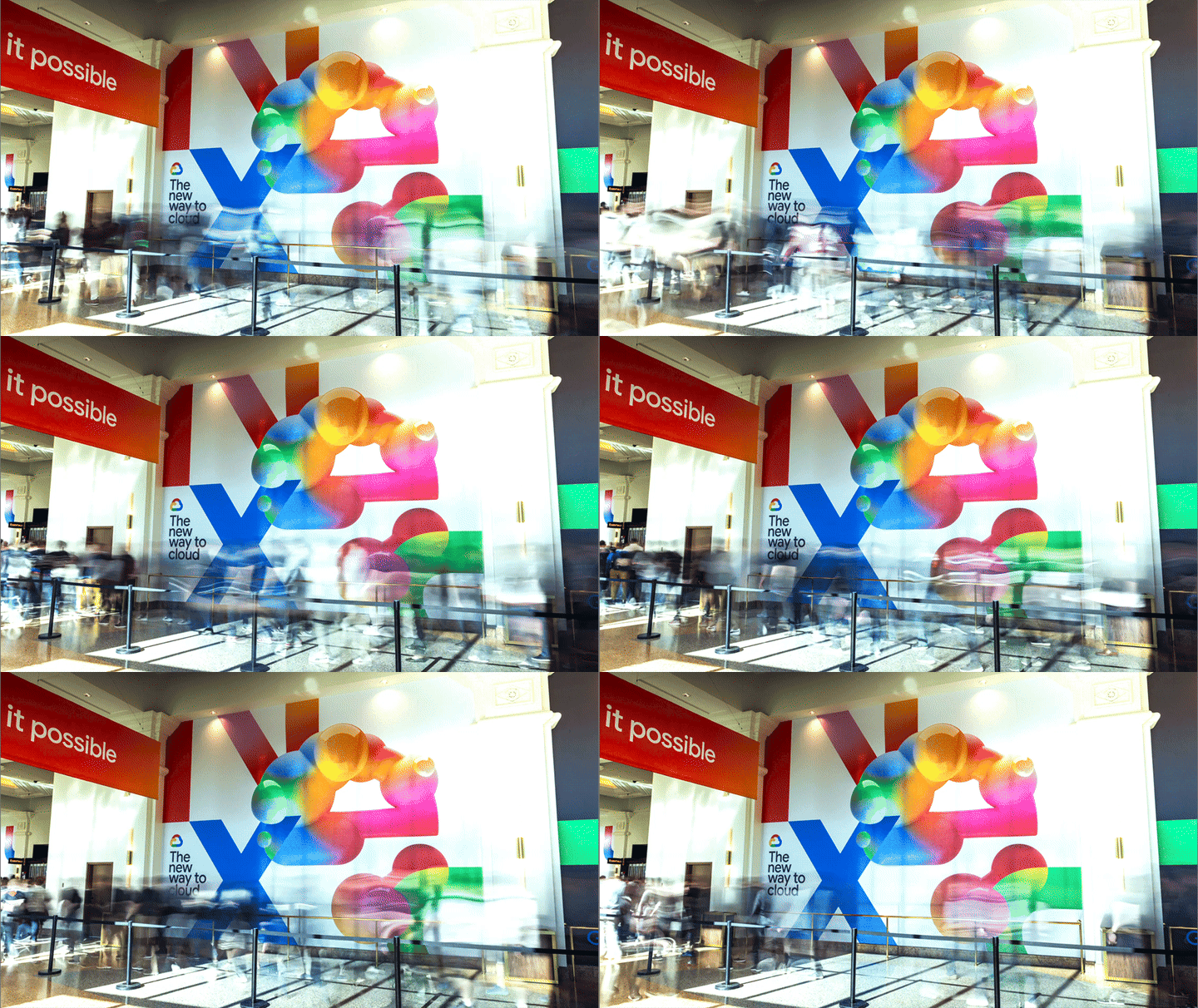
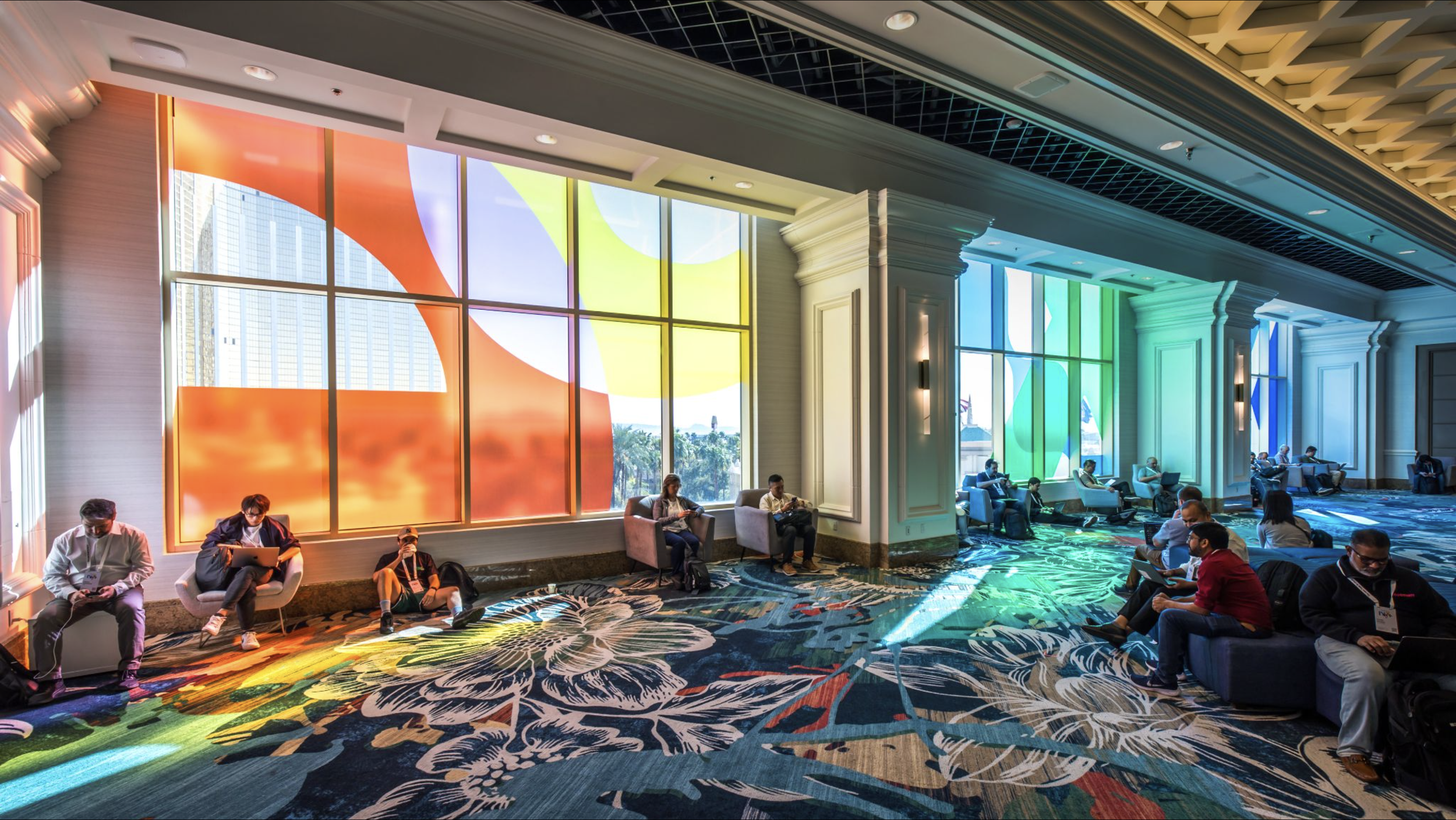
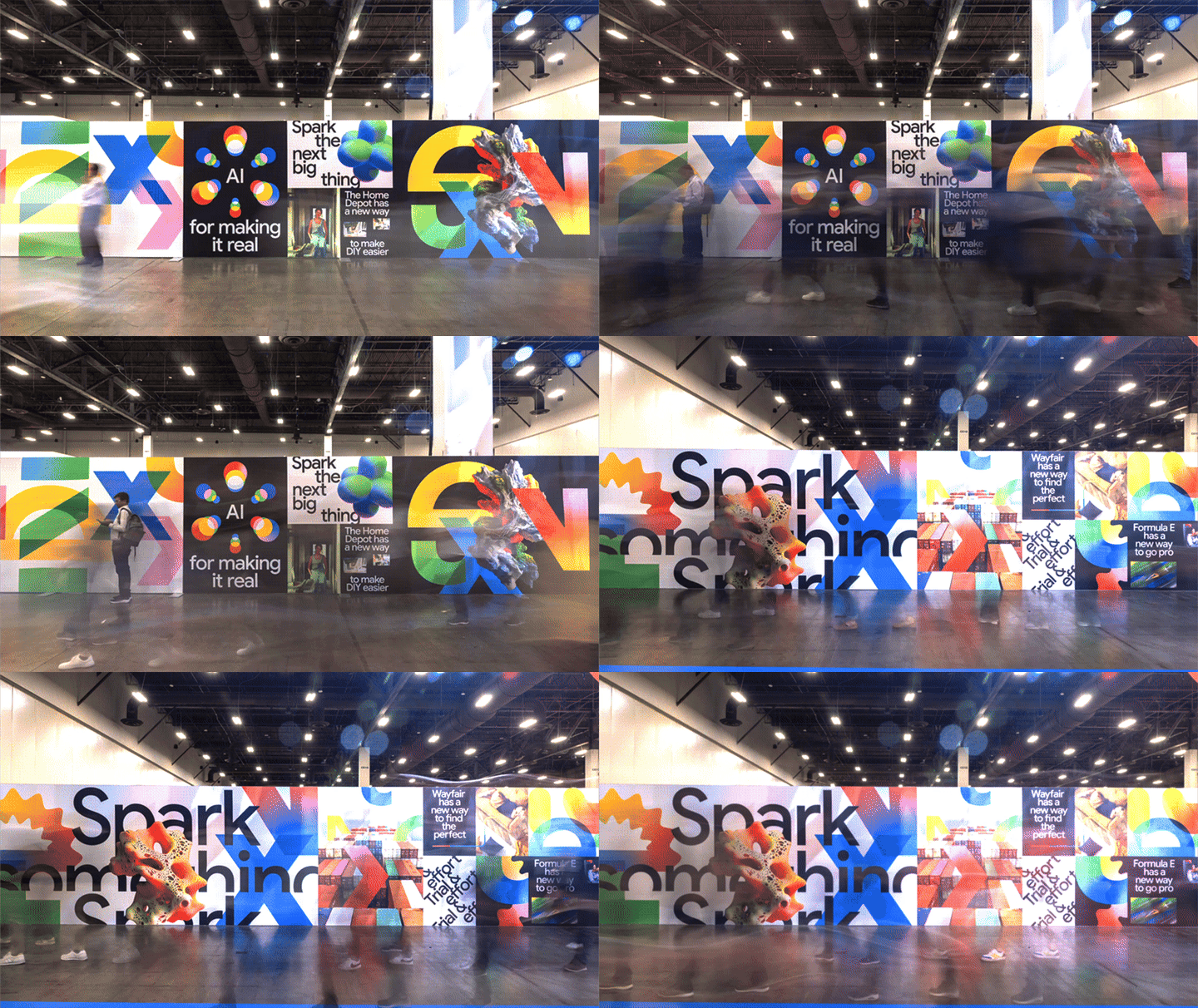
The motion framework had to survive social, web, presentation, environmental, and venue-scale contexts without becoming mechanically repetitive. I partnered with lead agencies and internal teams to review applications, resolve edge cases, and evolve the system as the event and its visual language changed year over year.
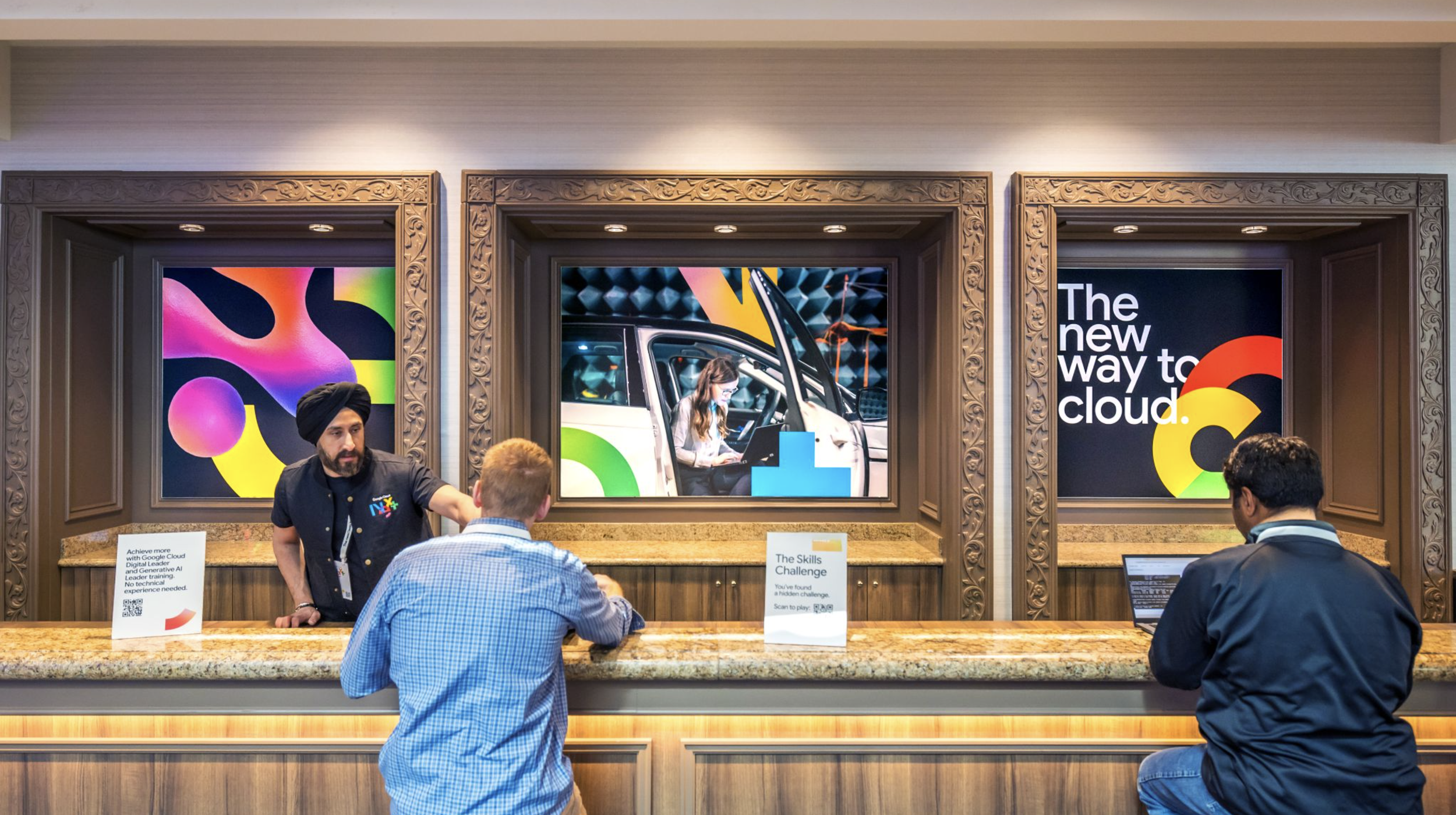
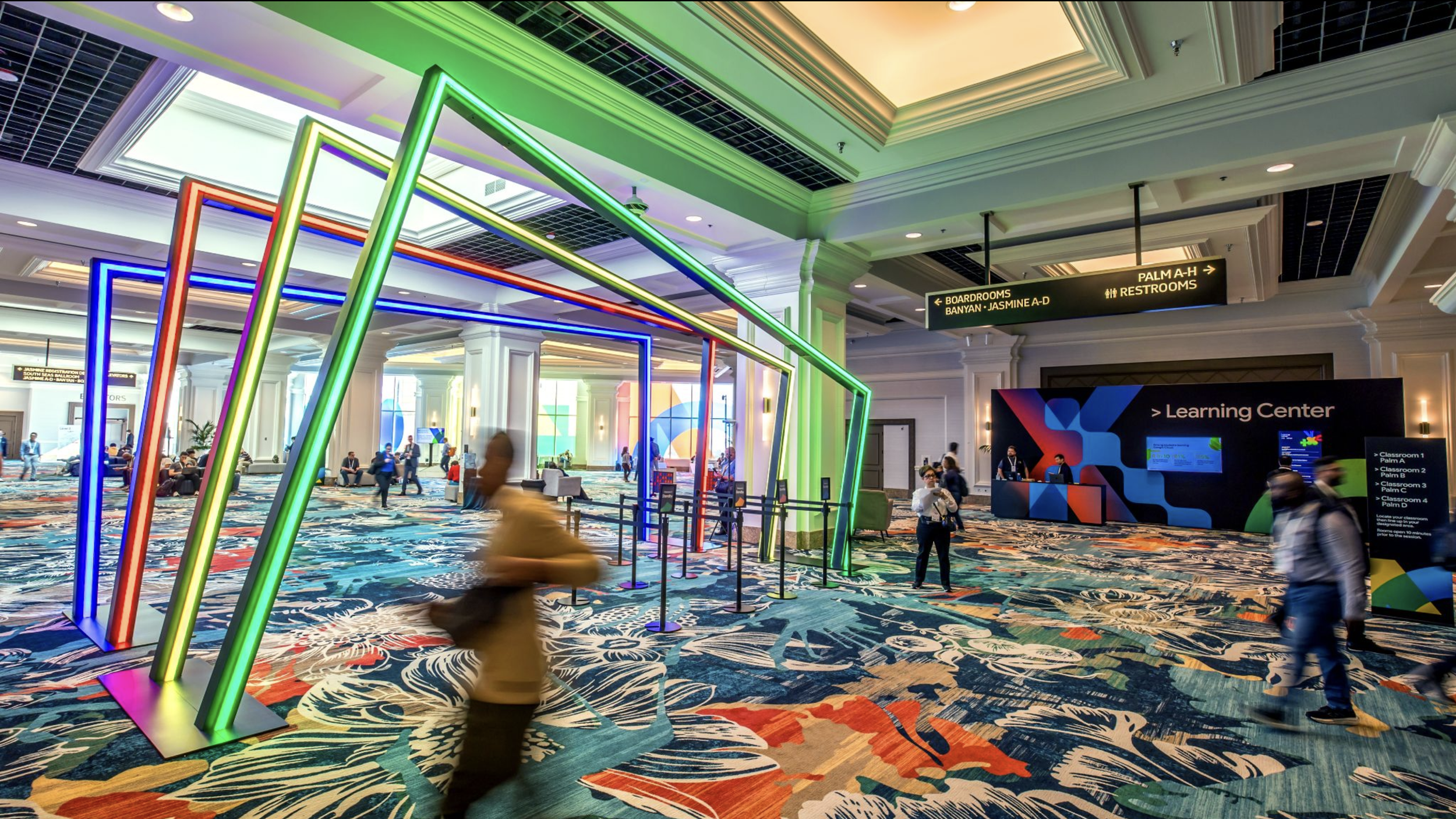
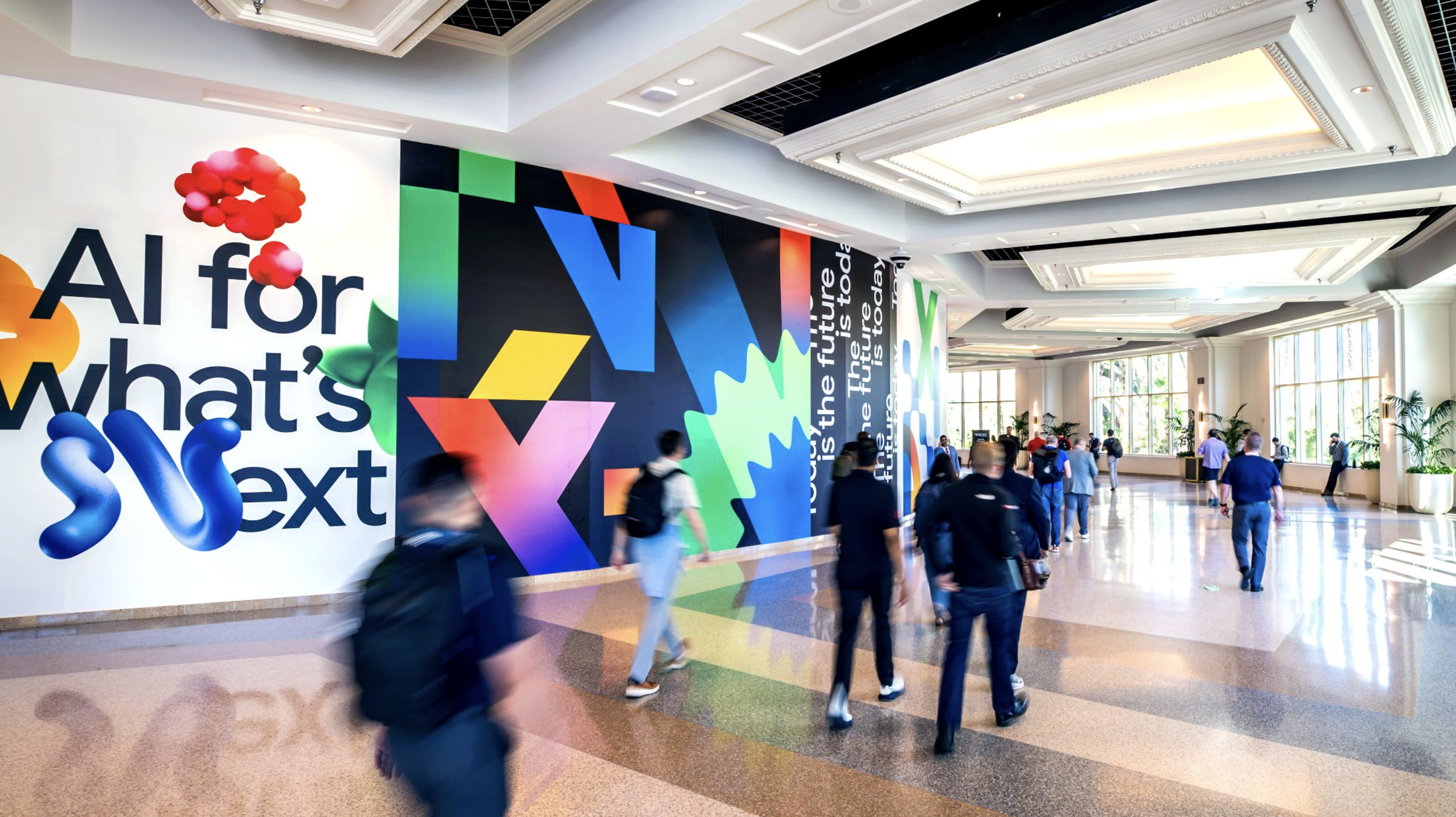
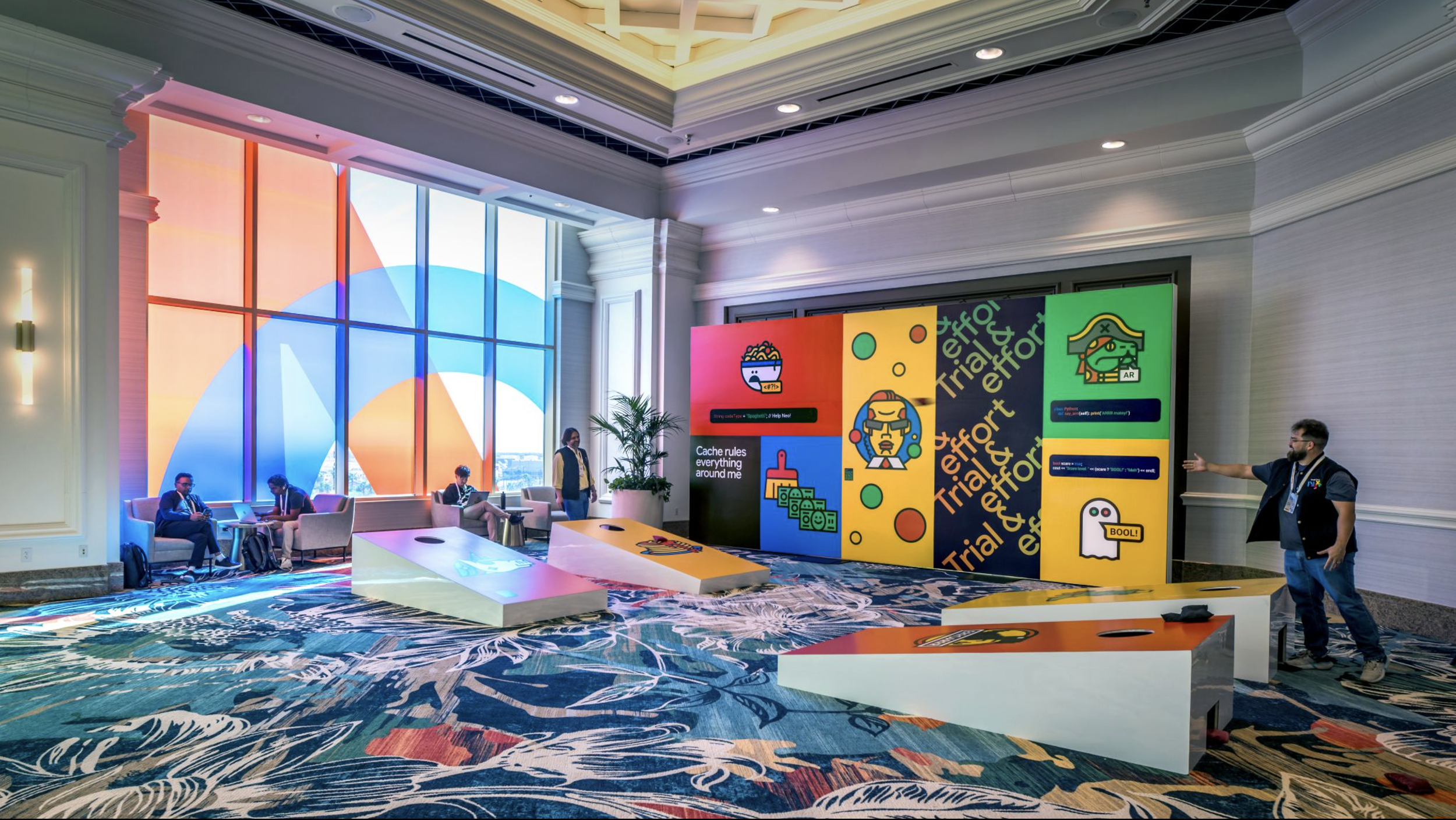
Our team, working with our partner agencies, produced 29,000+ digital and physical touch points covering 386,000 square feet of event graphics.
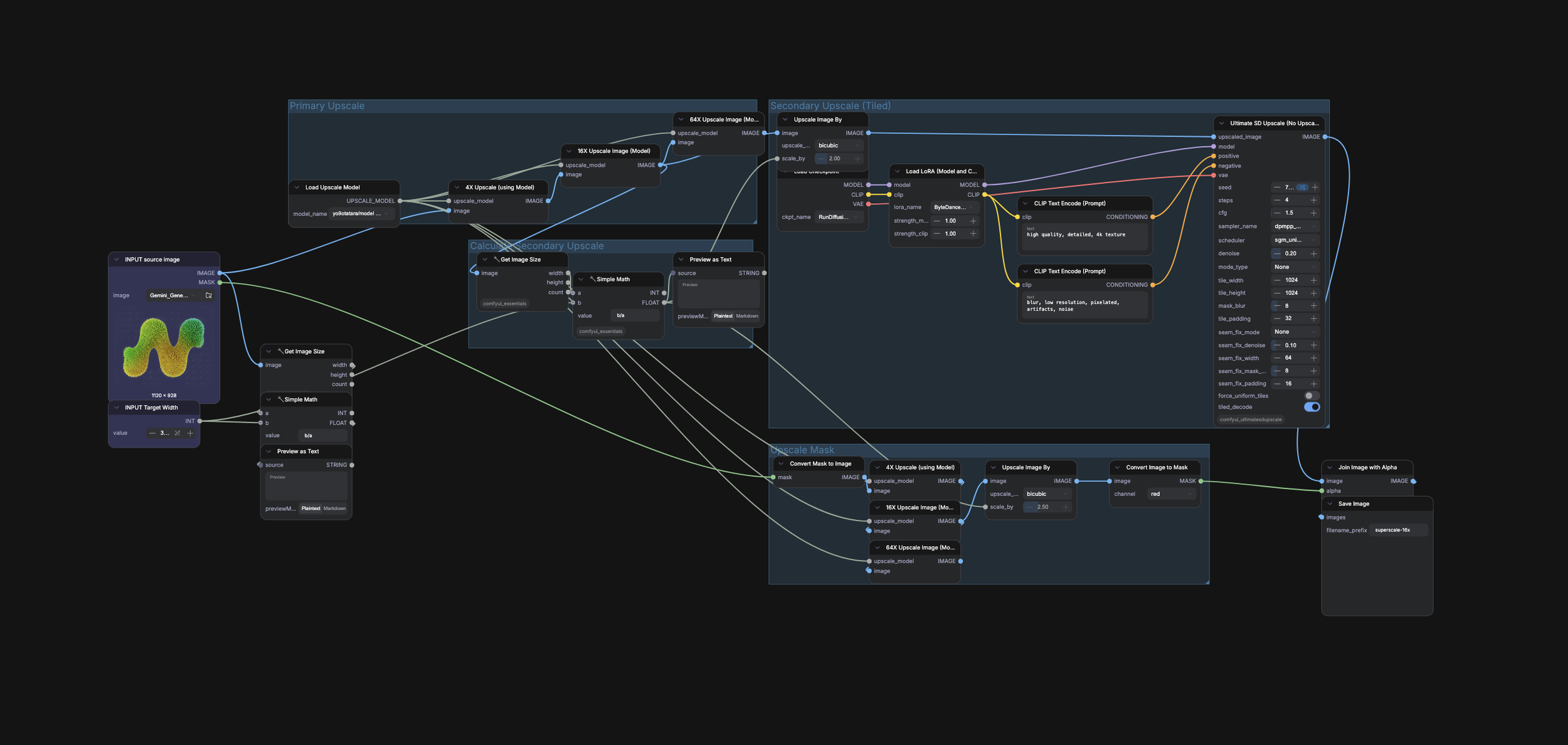
Generative AI in creative workflows
As generative tools became part of the production environment, I extended the same system logic to AI-assisted outputs: explicit visual boundaries, motion principles for synthetic media, human review, and execution workflows with brand guardrails. We used the technology to reduce repetitive burden, without removing creative authorship.
I engineered custom generative workflows and bespoke tooling designed to handle enterprise-scale asset creation. I built internal tools for rapid-ideation and refinement that accelerated the concepting phase while maintaining our high bar for taste. For our external vendors, I deployed execution-focused pipelines with baked-in brand guardrails.